
round led bathroom mirror 800mm
When it comes to choosing the right gate valve, price is often a primary consideration for both industries and contractors. Gate valves are essential components in numerous piping systems, allowing for the efficient control of fluid flow. The prices of these valves can vary significantly, particularly in the context of a 3-inch or 4-inch gate valve, as various factors influence their cost. . Material composition is another crucial factor influencing price. Gate valves can be constructed from various materials, including brass, stainless steel, and ductile iron. For example, a stainless steel 4-inch gate valve will likely command a higher price than its cast iron counterpart. This is because stainless steel offers greater durability and corrosion resistance, making it ideal for applications involving harsh chemicals or high temperatures. 3 4 gate valve price The brand and manufacturer also play a significant role in pricing. Established names in the valve manufacturing industry may charge a premium for their products, which often come with longer warranties, proven reliability, and superior performance. While it may be tempting to opt for cheaper alternatives, investing in a quality valve can result in lower overall costs due to reduced maintenance and replacement needs. Another consideration is the valve's design and features. Some gate valves come equipped with additional components—such as handwheels, electric actuators, or automation capabilities—that can substantially increase the price. On the other hand, a basic manual gate valve may be more affordable but might not provide the same level of convenience or efficiency. In summary, if you're in the market for a 3-inch or 4-inch gate valve, it's essential to consider various factors that influence pricing. While the upfront cost of the valve can be significant, evaluating aspects such as material, brand, and additional features can help you make a more informed decision. Aim to balance cost with durability and long-term performance to ensure that your investment yields the best results in your application, ultimately leading to efficient operation and cost savings over time.
about
round led bathroom mirror 800mm
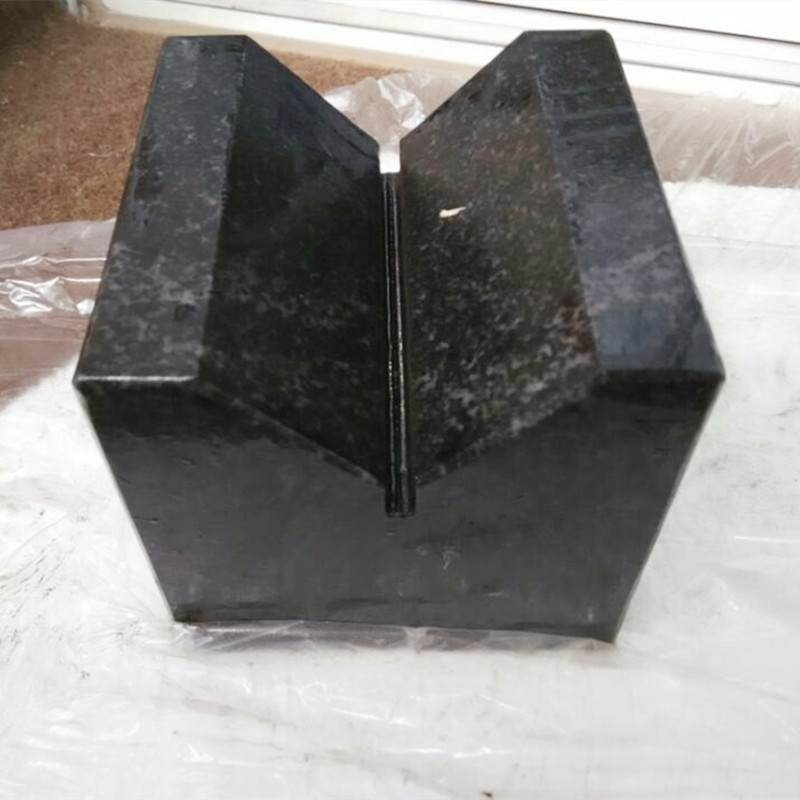
Understanding the Uses of Magnetic V Blocks Magnetic V blocks are essential tools in a wide array of machining, fabrication, and assembly processes. They combine the functionality of traditional V blocks, which are designed to hold cylindrical objects, with a powerful magnetic base that offers precision and stability. This article delves into the various applications, benefits, and considerations of using magnetic V blocks in different industries. What are Magnetic V Blocks? Magnetic V blocks are specialized devices that feature a unique V-shaped groove, enabling them to securely hold round or cylindrical workpieces. The magnetic base ensures that the block adheres firmly to the work surface, providing stability during machining or inspection processes. They are typically made from high-quality steel or cast iron, designed to endure rigorous mechanical operations. Applications in Machining and Fabrication 1. Precision Hold for Machining One of the primary uses of magnetic V blocks is in machining operations. They are instrumental in securely holding pieces while milling, drilling, or grinding. The magnetic grip allows for quick setup and repositioning, significantly reducing downtime and improving workflow. 2. Inspection and Measurement In quality control processes, magnetic V blocks are invaluable. They provide a stable platform for measuring instruments, ensuring that measurements are accurate and reliable. Whether you're using calipers, micrometers, or dial indicators, the secure hold reduces the risk of movement that could compromise data. 3. Welding Applications In welding, magnetic V blocks enable fabricators to position components accurately. The strong magnetic hold allows operators to concentrate on welding without worrying about misalignment, ensuring cleaner welds and stronger joints. This is particularly useful in pipe and tube fabrication, where precision is paramount. magnetic v block uses 4. General Assembly Operations In assembly lines, magnetic V blocks can assist in holding parts in place while they are fastened or connected. They streamline the assembly process, allowing for quick adjustments and reducing the chance of errors, particularly in high-volume manufacturing environments. Benefits of Using Magnetic V Blocks - Efficiency The magnetic feature allows for rapid setup and adjustments, saving valuable time in production processes. - Precision The stability provided by the magnetic hold enhances accuracy, leading to better quality outcomes in machining and assembly. - Versatility Magnetic V blocks can be used across various materials and applications, making them an indispensable tool in multiple industries such as automotive, aerospace, and manufacturing. - Ease of Use With simple on/off switches to activate or deactivate the magnet, these blocks are user-friendly and safe, even for operators with minimal training. Considerations When Using Magnetic V Blocks While magnetic V blocks offer numerous advantages, there are factors to keep in mind for optimal use - Surface Material Magnetic V blocks adhere best to ferromagnetic surfaces. On non-magnetic surfaces, their effectiveness diminishes. - Load Capacity Each magnetic V block has a specific load capacity. It’s crucial to ensure that the workpiece weight stays within the limits to avoid slippage or damage to the block. - Maintenance Regular maintenance and cleaning of magnetic surfaces are essential to maintain the strength of the magnetic hold and prevent debris accumulation that could affect performance. Conclusion Magnetic V blocks are an essential component in many engineering and manufacturing processes. Their ability to securely hold round objects while allowing for precise machining and measurement enhances productivity and accuracy across various applications. As technology advances and industries demand greater precision and efficiency, the reliance on tools like magnetic V blocks will likely continue to grow. Understanding their uses, benefits, and best practices ensures that operators can maximize the potential of these versatile tools, leading to better quality products and streamlined operations. Whether in a machine shop, assembly line, or inspection lab, magnetic V blocks are tools that facilitate precision and efficiency in today's fast-paced industrial landscape.
-

High quality industrial productsagement

High quality industrial products
View Details -

Meet the diverse needs of customers

Meet the diverse needs of customers
View Details -

Strict quality control

Strict quality control
View Details -

Top raw materials

Top raw materials
View Details -

Trusted supplier

Trusted supplier
View Details
Our application
news and information
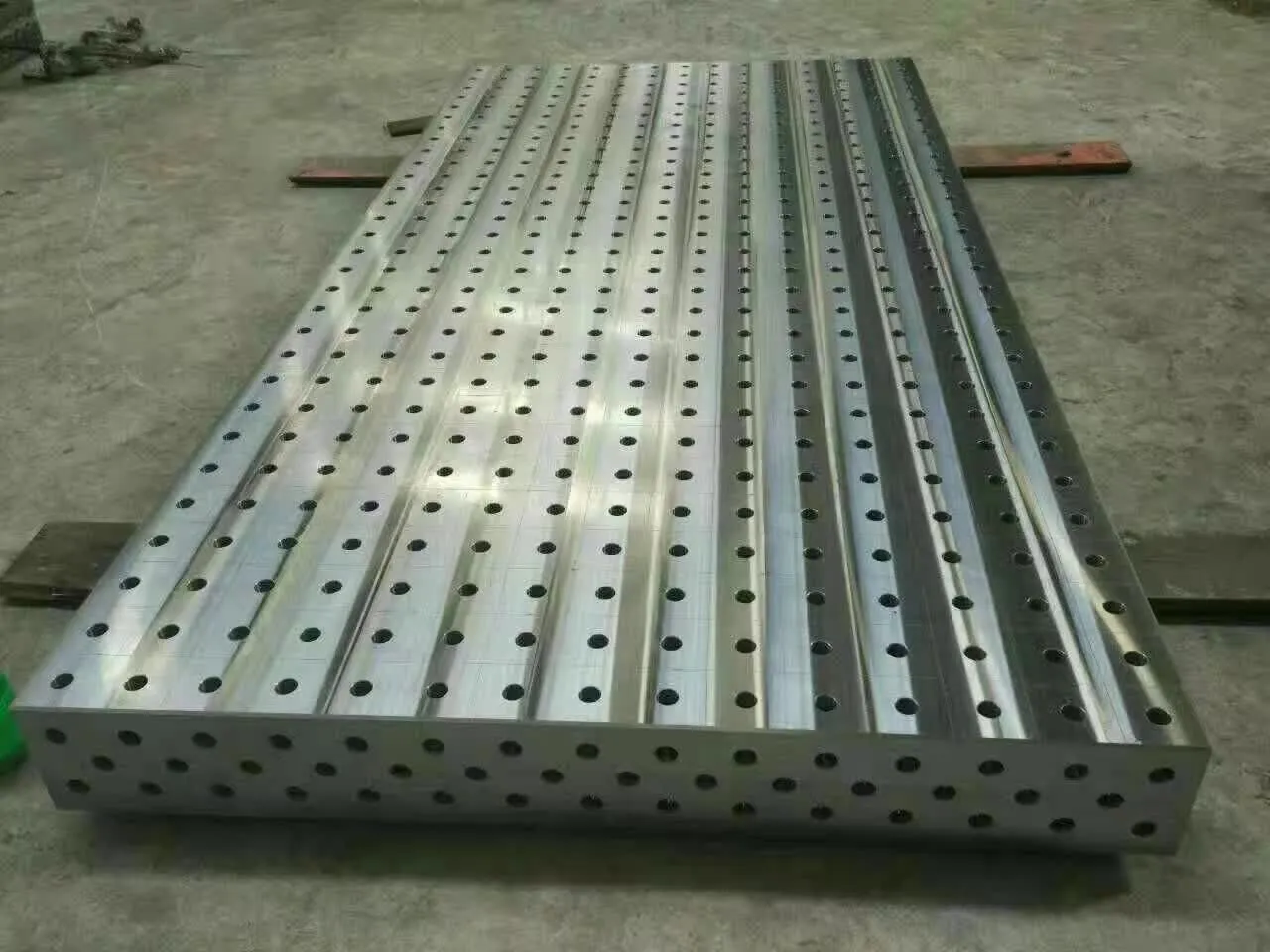
Versatile Welding Table Clamps for Secure and Efficient Metalworking Projects and Fabrication Tasks
The Importance of Welding Table Clamps in Metalworking Welding is a fundamental process in metalwork
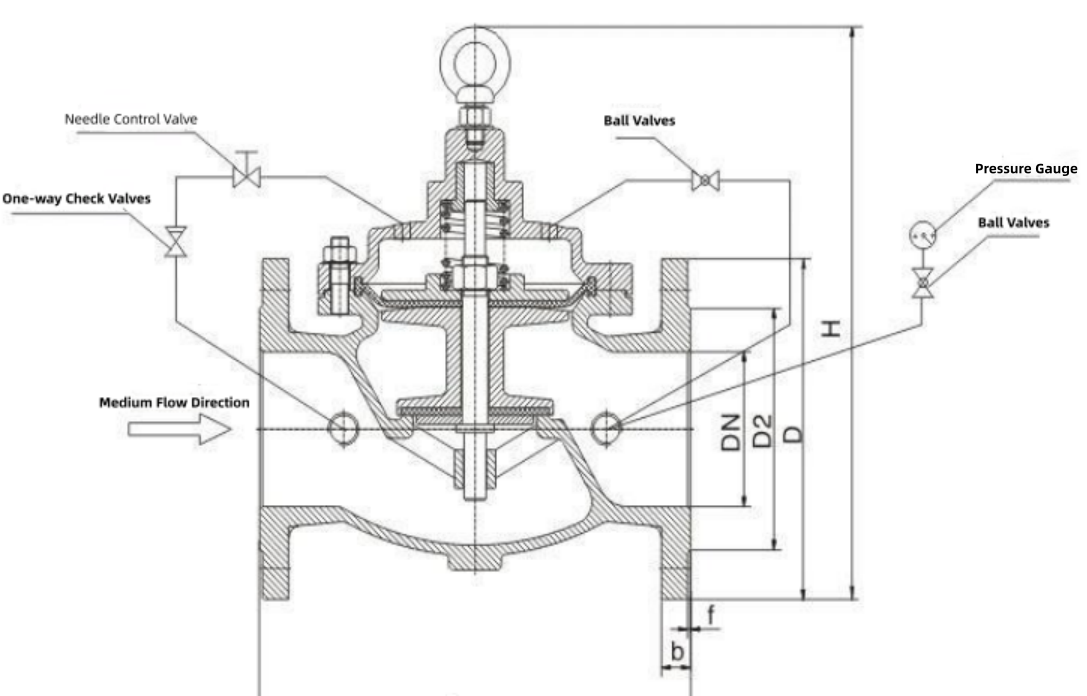
Welding Inspection Measurement Tool for Quality Assurance and Precision Assessment
Welding Inspection Ruler An Essential Tool for Quality Assurance in Welding Welding is a critical pr
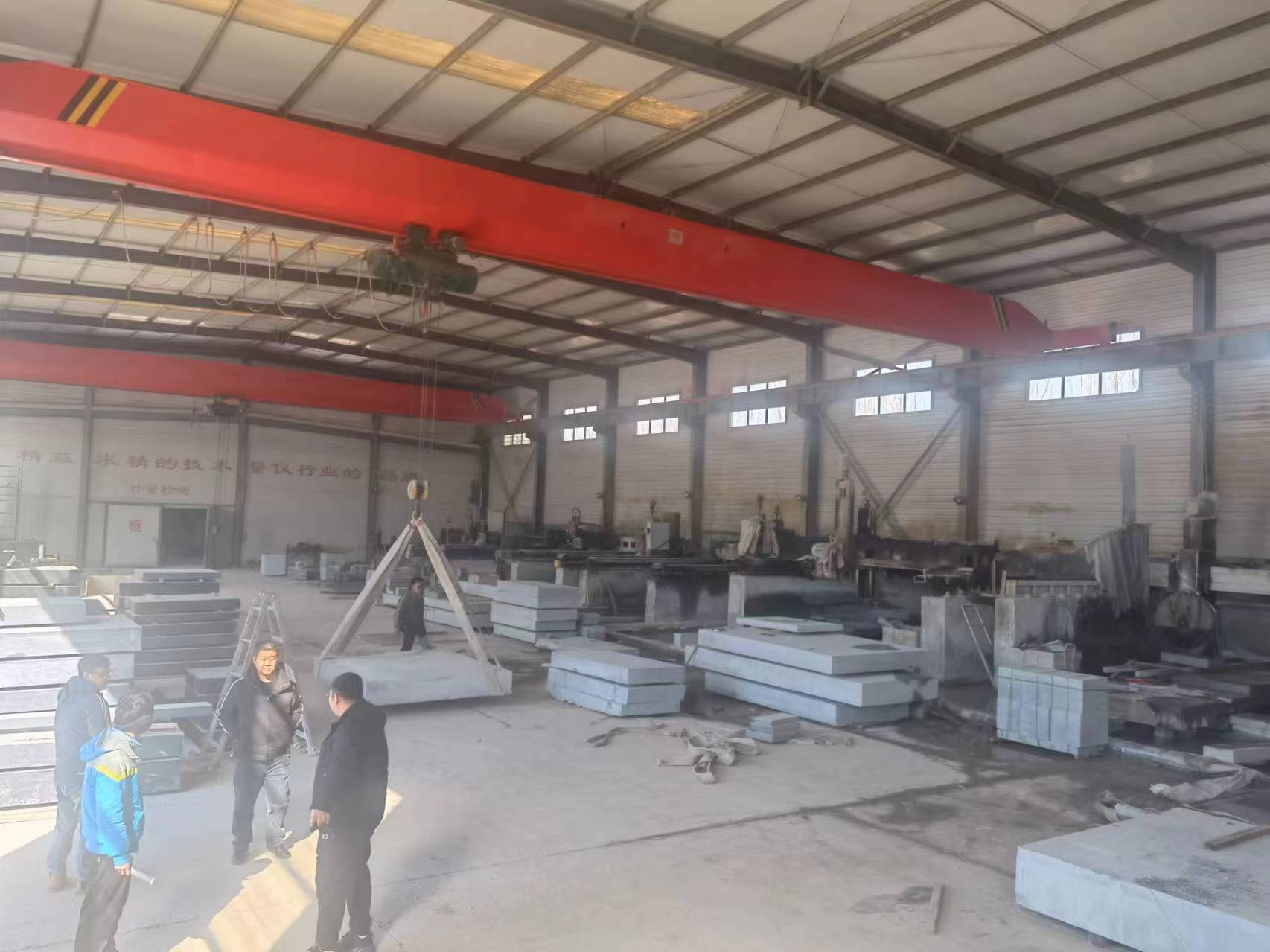
Welding Fabrication Services _ Precision Welding & Custom Fabrication
Understanding Welding and Fabrication A Comprehensive Overview Welding and fabrication are critical
 English